
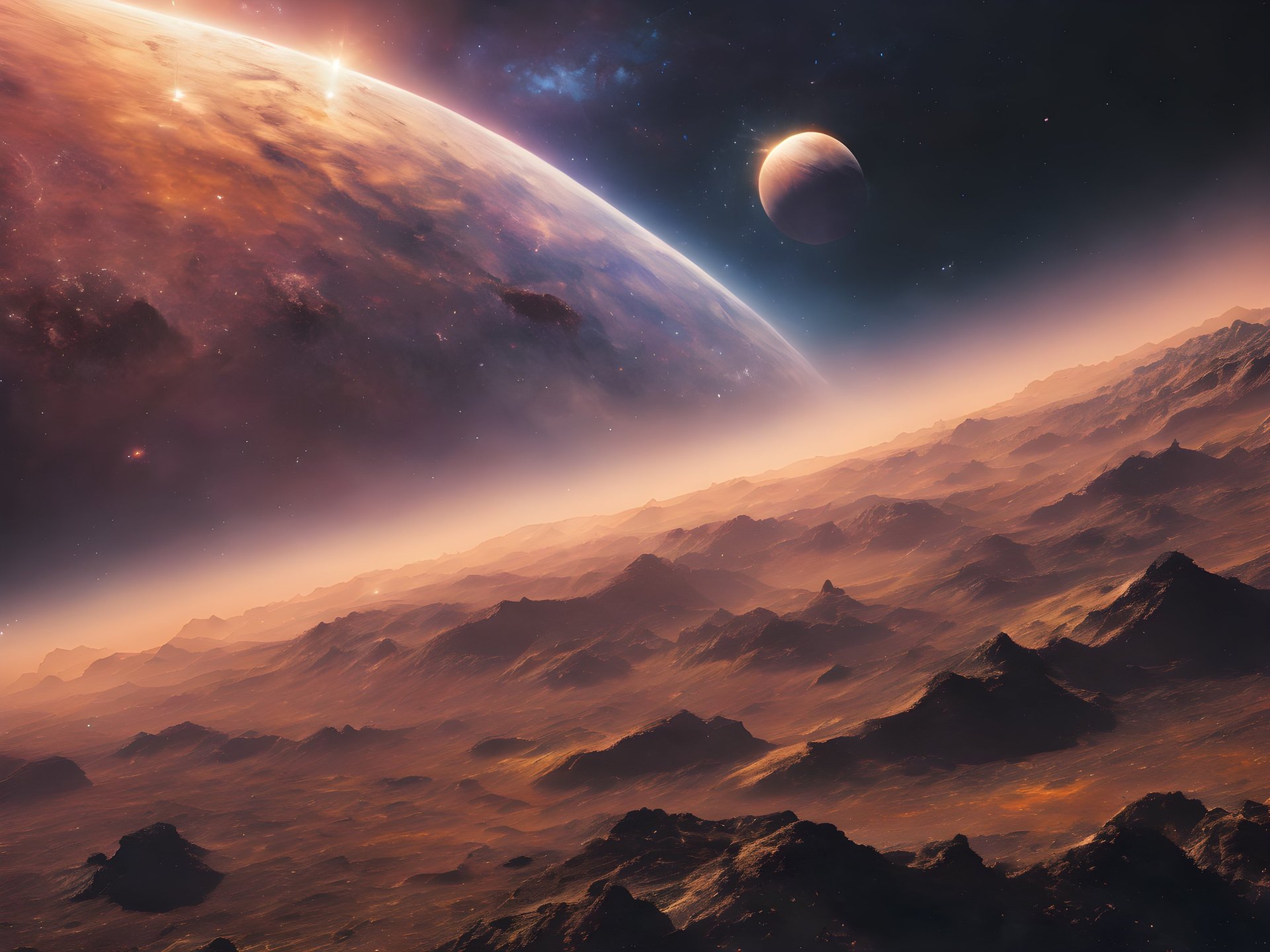
What Is La Guerra de Pandora?
The Story Behind the Saga
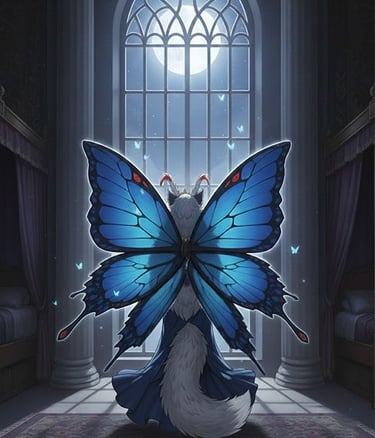
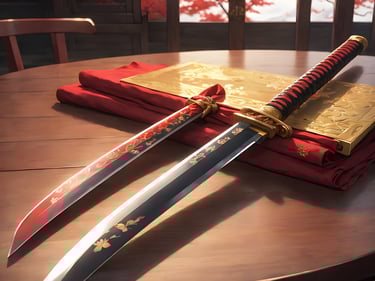
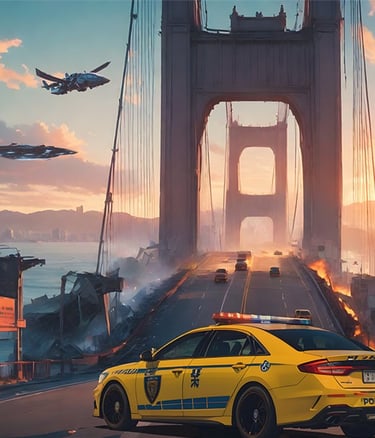
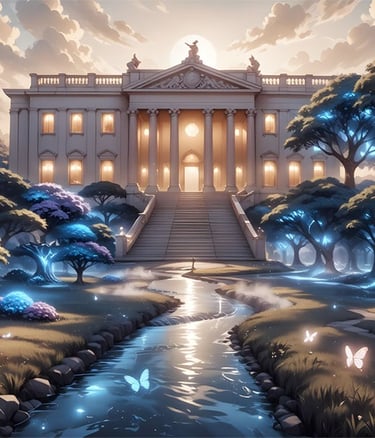
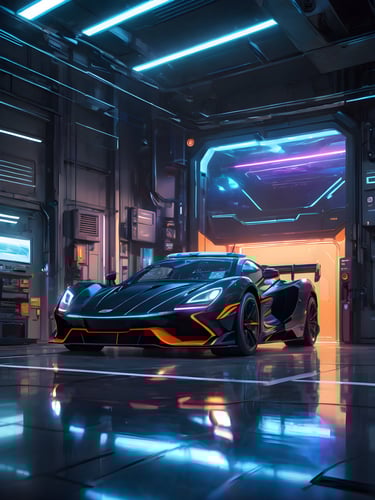
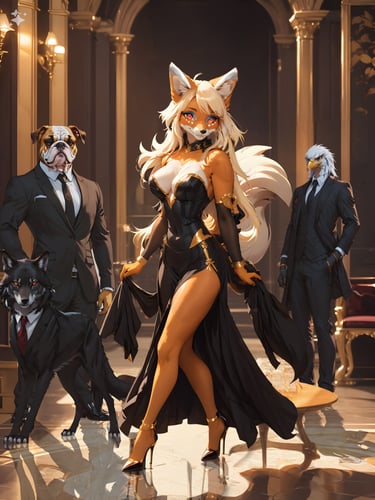
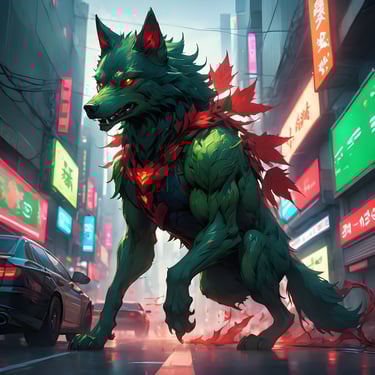
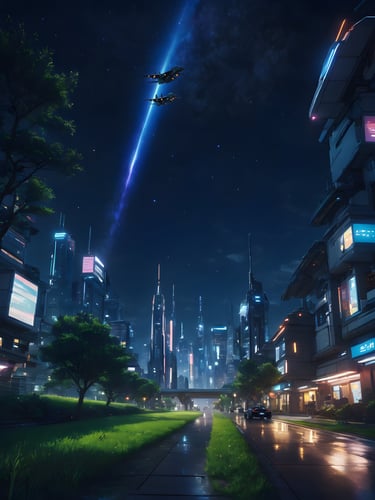
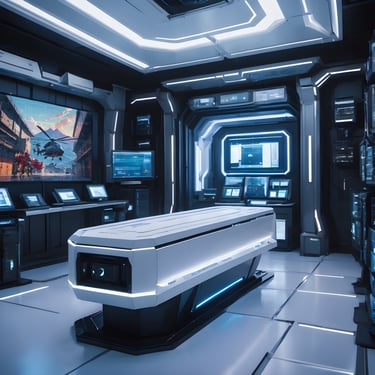
The War of Pandora is a science-fiction saga inspired by the original myth of Pandora’s Box, reimagined as a divine artifact created by the gods and capable of altering the balance of the universe.
The story takes place in a world where the opening of this box unleashes mystical, political, and social conflicts that shake entire civilizations. Ancient prophecies collide with advanced technology, exposing tensions between species, struggles for power, discrimination, and crises of faith that put the very foundations of society to the test.
This story is almost as old as its creator’s own life. From the earliest years, its events were imagined and constantly revisited, gradually maturing over time until they finally took shape in these novels. Fragmented across different events, characters, and worlds, The War of Pandora eventually became a constantly expanding narrative universe.
The saga stands out for the richness and depth of its characters, the diversity of species that inhabit its universe, and the wide range of settings, from futuristic cities and military spacecraft to sacred territories, unknown worlds, and realms touched by the divine. Every element has been carefully developed to create an immersive experience in which the environment, culture, and conflicts directly influence the choices and destinies of those who inhabit them.
Today, The War of Pandora exists as a narrative world where science and mythology coexist, and where every decision carries consequences that reach far beyond the battlefield.
Cultures and Ways of Life
The characters are at the heart of The War of Pandora. Each one has been carefully developed with motivations, contradictions, and choices that directly or indirectly influence the course of the story and the fate of the universe they inhabit.
Far from being a homogeneous world, the saga presents a wide variety of species, cultures, and social systems, whose differences give rise to political tensions, ideological conflicts, and clashes of belief. These dynamics not only define the relationships between characters, but also shape the settings, alliances, and conflicts that unfold throughout the narrative.
The cultures, traditions, and hierarchies that coexist within this universe reflect a complex society in which every voice matters and every decision leaves a mark. In The War of Pandora, conflict does not arise solely from strength, but from the encounter — and confrontation — between different ways of understanding the world.
This narrative richness is further strengthened by a profound biological and morphological diversity. The universe is inhabited by humans, insectoid beings, feral and anthropomorphic species, as well as entities whose forms and very nature defy traditional classifications. Each species possesses its own physical traits, abilities, limitations, and methods of communication, all of which directly influence the way they think, act, and relate to others.
Some characters are driven by primal instincts; others by complex social structures, codes of honor, religious doctrines, or rigid political systems. These differences turn every interaction into a potential point of friction, leading to unlikely alliances, internal struggles, and decisions that transcend the individual to affect the balance of the entire universe.
In The War of Pandora, diversity is not merely a decorative element, but a fundamental pillar of the narrative. Every species, every culture, and every character brings a unique perspective, building a living, interconnected, and deeply human world — even when it is not human — where coexistence, or the inability to achieve it, defines the true meaning of war
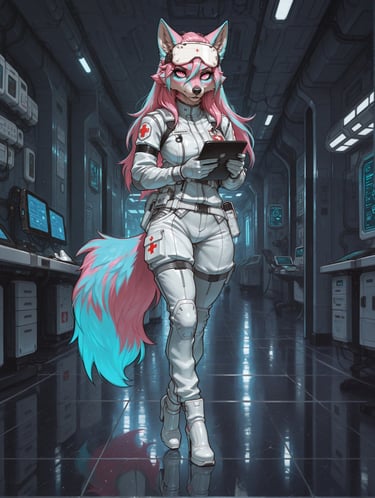
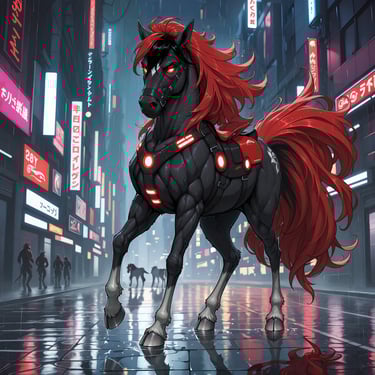
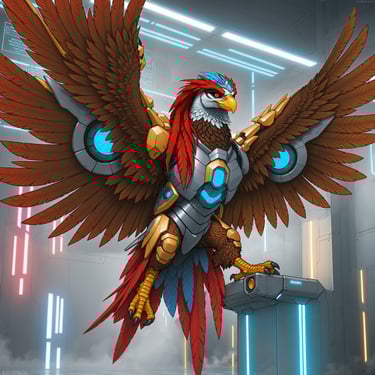
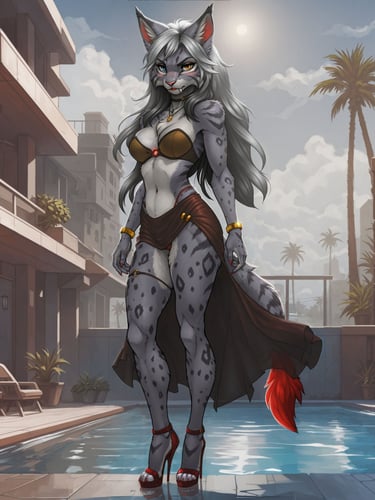
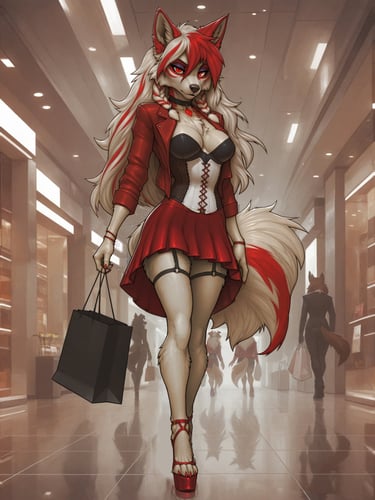
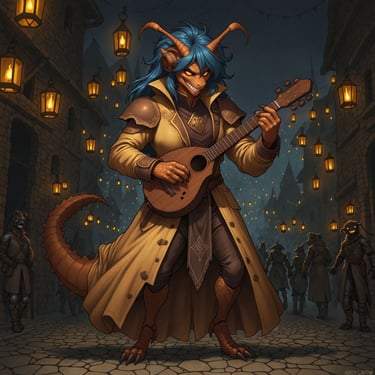
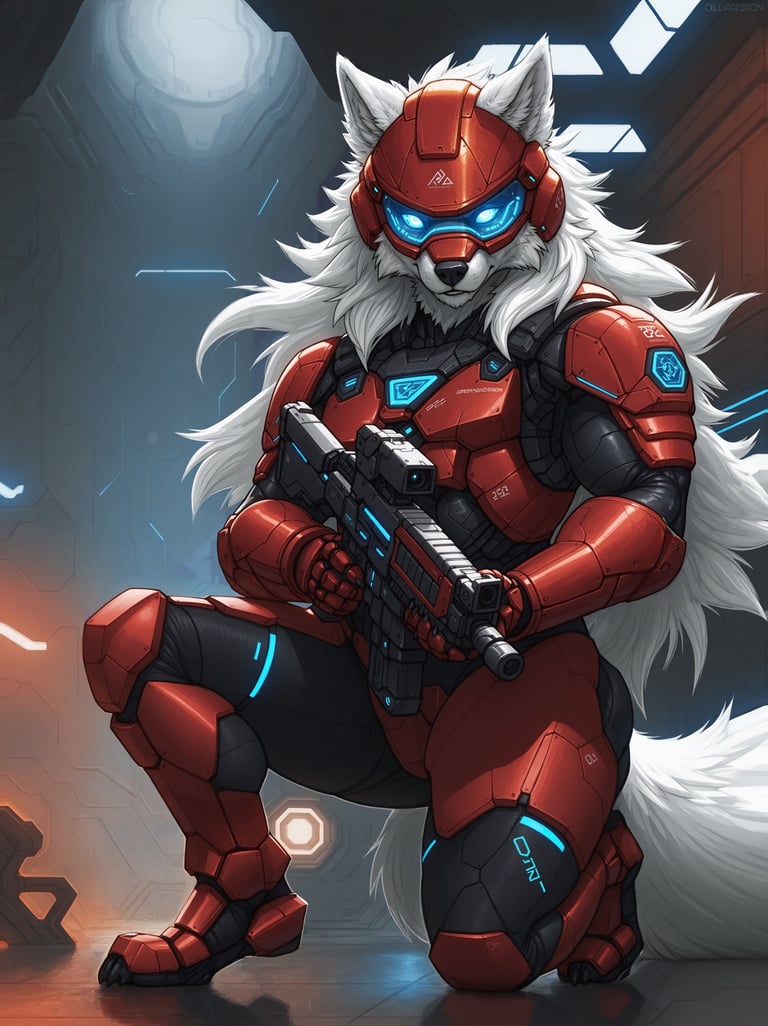
Anthros
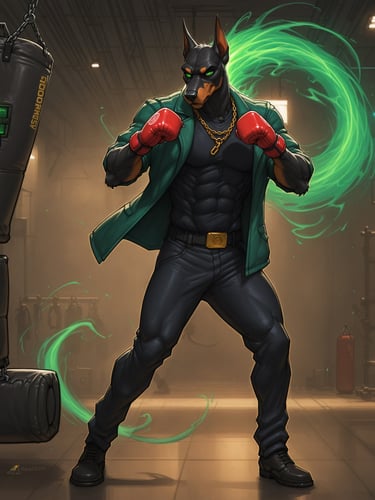
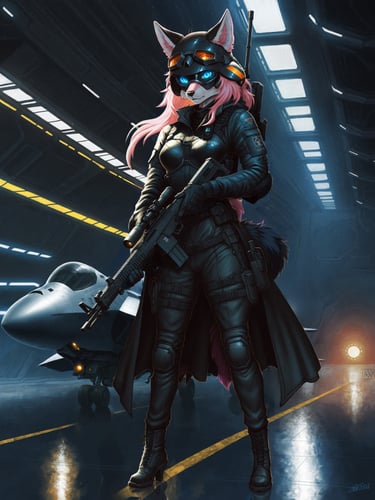
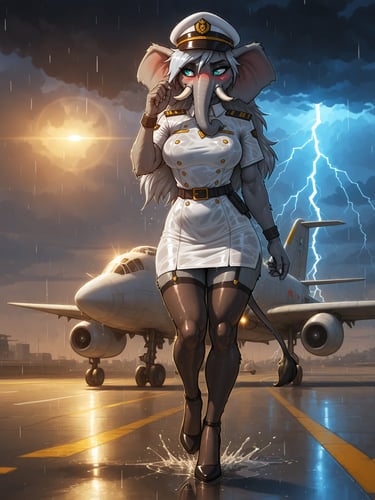
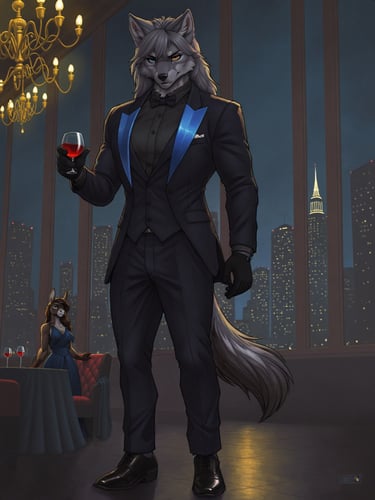
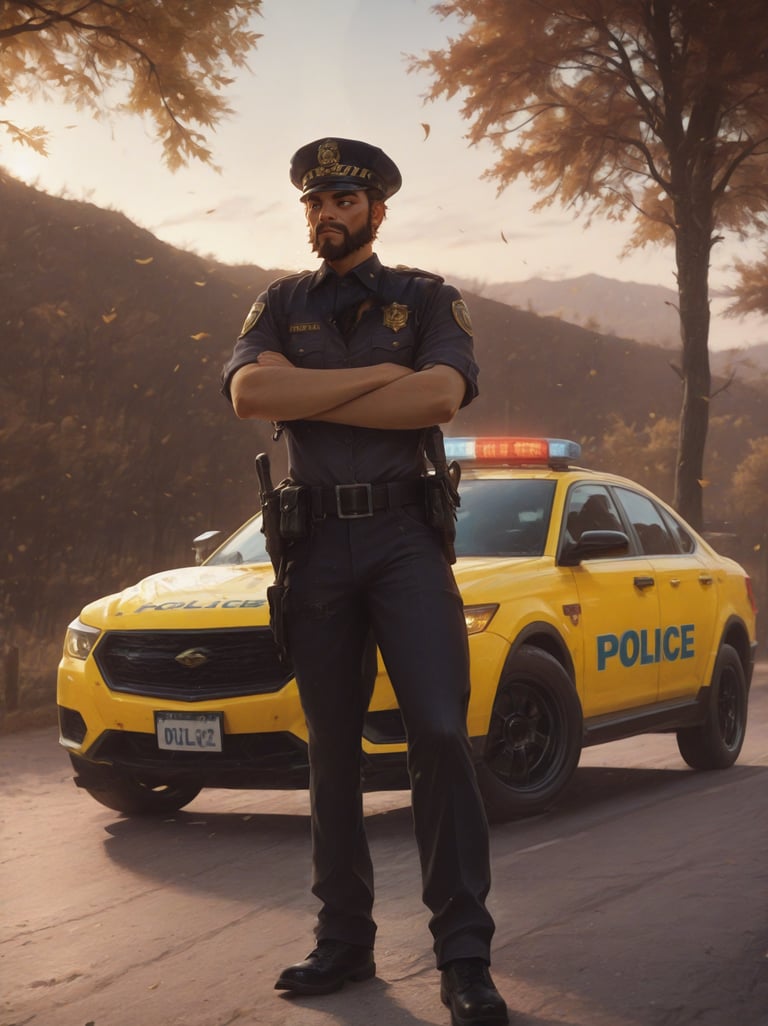
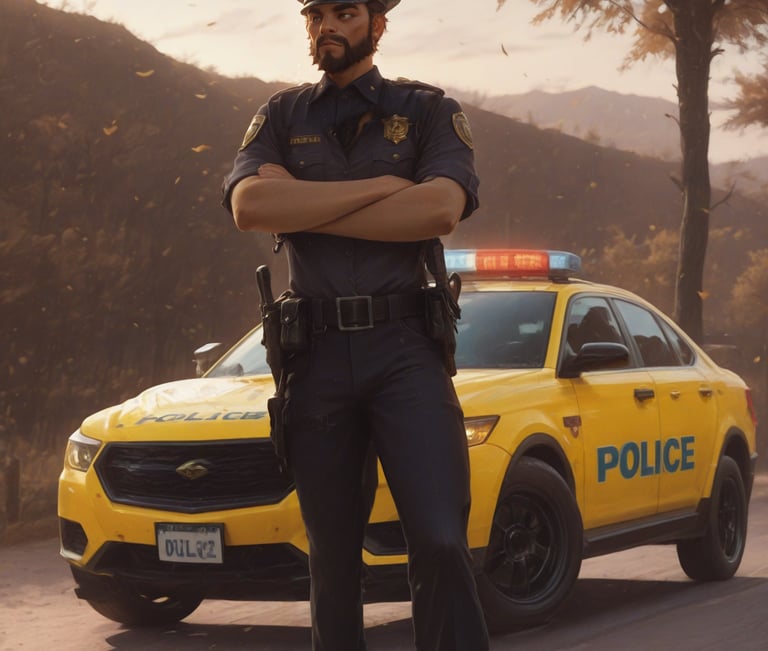
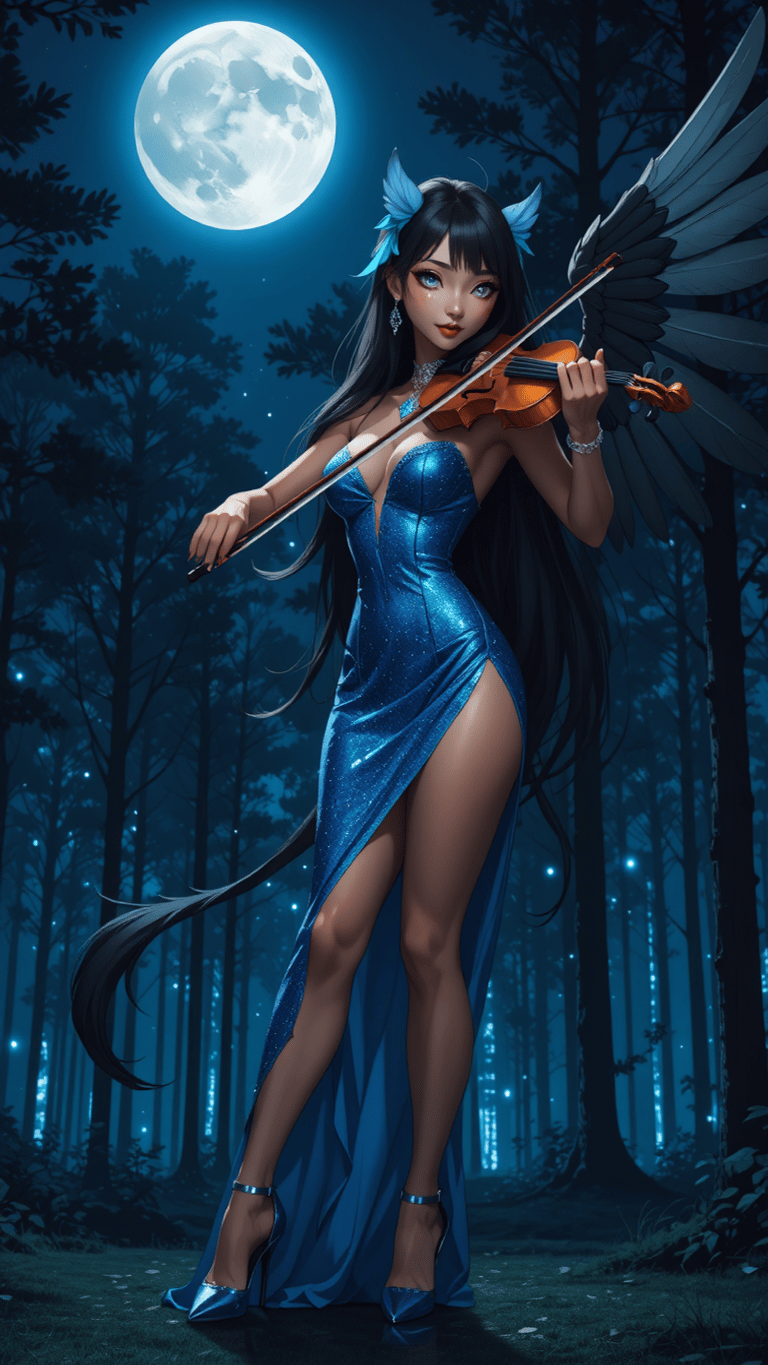
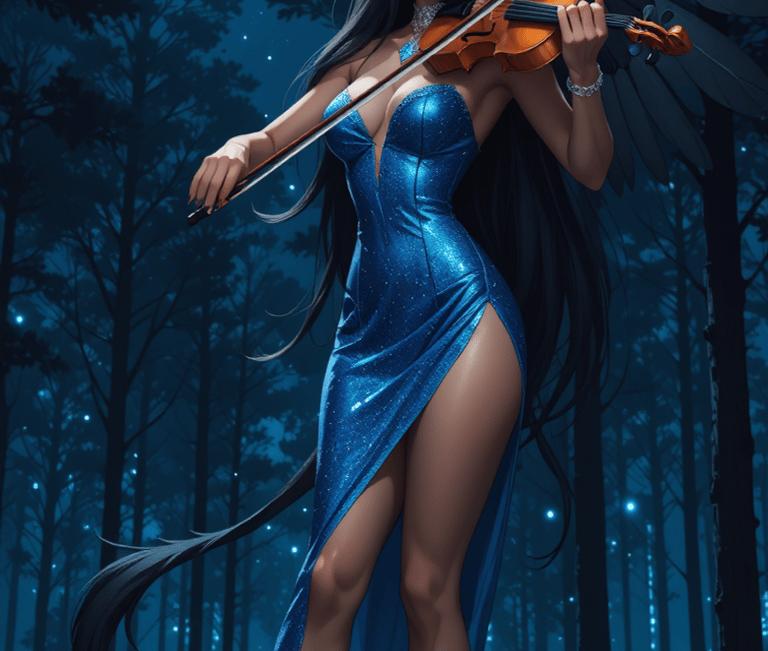
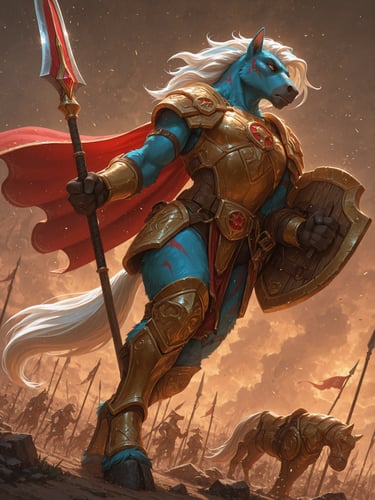
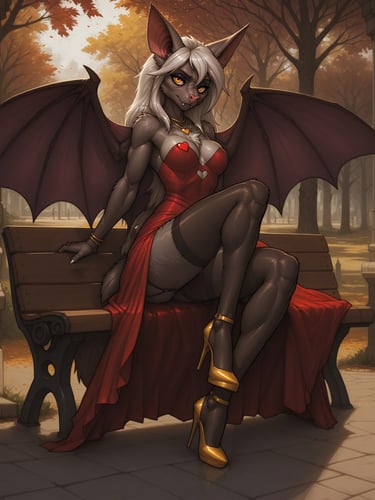
Individuals from different zoological lineages that have developed a permanent upright morphology. They retain clearly identifiable animal traits — snout, fur or feathers, claws, fangs, and tail — combined with a body structure optimized for bipedal locomotion and advanced manipulation of their environment.
Their anatomy allows them to operate complex technology, weaponry, and strategic systems. They represent the most institutionalized and politically structured way of life in the universe..


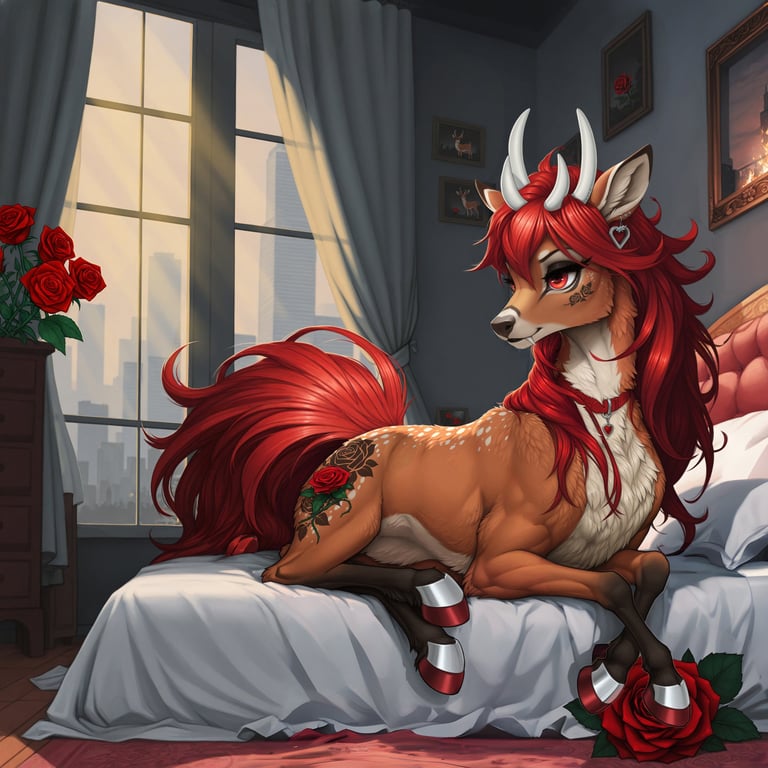
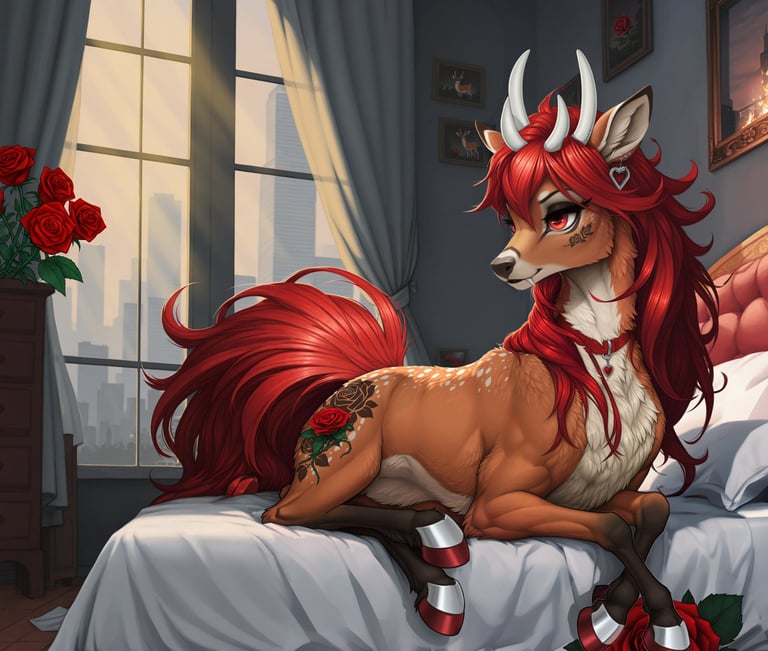
Ferals
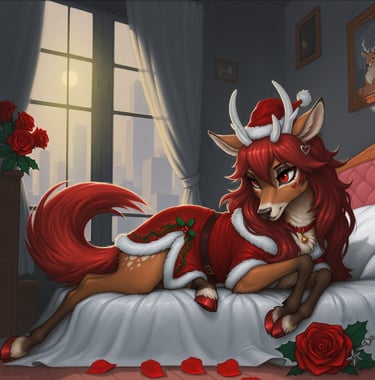
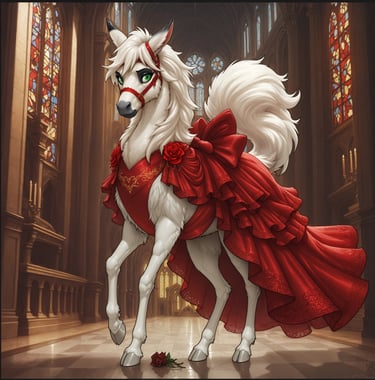
Creatures with a predominantly quadrupedal morphology that retain the conventional animal anatomy of their species of origin. Although fully rational and sentient, their body structure prioritizes speed, endurance, and sensory perception.
Ferals maintain a stronger connection to instinct and territory, developing organic social systems that contrast with the institutional rigidity of bipeds.
Mixed-Bloods
Individuals born from the union of two different biological species, regardless of their morphology (anthro or feral). Hybridization can produce unique physical, physiological, and sensory combinations that do not always follow predictable patterns.
A mixed-blood individual may inherit structural traits from one species and biological abilities from another, creating variations in size, endurance, metabolism, perception, or even energetic affinity. This genetic diversity can become a strategic or survival advantage.
Humans
Humans are a bipedal species with an anatomy completely lacking visible animal traits. They possess no fur, tail, amplified sensory structures, or extraordinary physical abilities compared with other species in the universe.
Hybrids
Hybrids are individuals born from the union of Humans and Anthros. They represent a biological convergence between a species with no visible animal traits and another with an anthropomorphic animal morphology.
Semi-Ferals
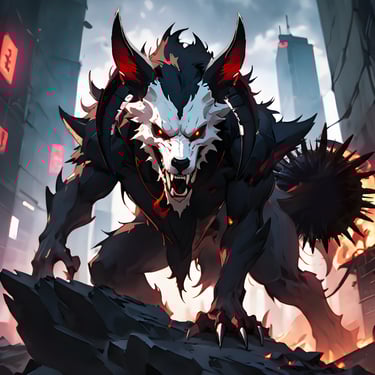
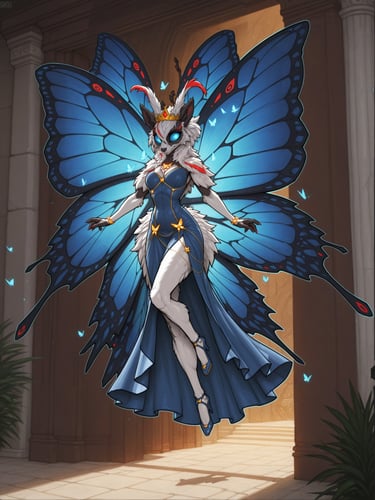
An individual who retains wild traits despite an anthro appearance, or who, conversely, displays anthropomorphic traits while remaining feral. Inspired by multiple mythologies — Greek, Hindu, Indigenous, and Japanese — such as werewolves, halcons, fauns, Horus, centaurs, minotaurs, or wendigos, they are the result of crossbreeding between anthros and ferals and may exhibit drastic mutations such as wings, variations in body structure, notable physical alterations, or feral-type extremities, especially in the legs.
Their existence is biologically and socially controversial in many territories, since compatibility between both morphologies is not always stable or culturally accepted. However, this duality is a common trait among gods and demons, generating uncomfortable silences among historians and religious scholars.
Social Media
Find us on:
Contact
Newsletter
© 2024. All rights reserved.
Terms and Conditions
Be the first to hear about new releases.